
AI-Integrated Industry Training:
Web Development, Data Analytics, Digital Marketing, Java & Python
|
2 Months Practical Training + 1 Month Internship
|
Fee:
₹9,999 per Program
|
Apply Now



Build a Strong Admission & Marketing Strategy
A strong admission strategy lies at the heart of any business development plan. It combines research, communication, and clear positioning.
Define Your Target Audience
Not all programs are for everyone. Institutes should segment their audience:
Undergraduate students
Postgraduate students
Freshers looking for job-oriented training
Working professionals wanting skill upgrades
Students preparing for government or competitive exams
Clear segmentation makes marketing focused and effective.
Strengthen Your Digital Presence
Most students will visit your website or social profiles before visiting your campus. Make sure your digital identity reflects quality.
Focus on:
A well-designed website with proper navigation
Fast page loading
Mobile responsiveness
Clear program pages with outcomes and placement highlights
Active social media presence
Student reviews and video testimonials
Informative blogs and career guides
These help build trust and improve visibility.
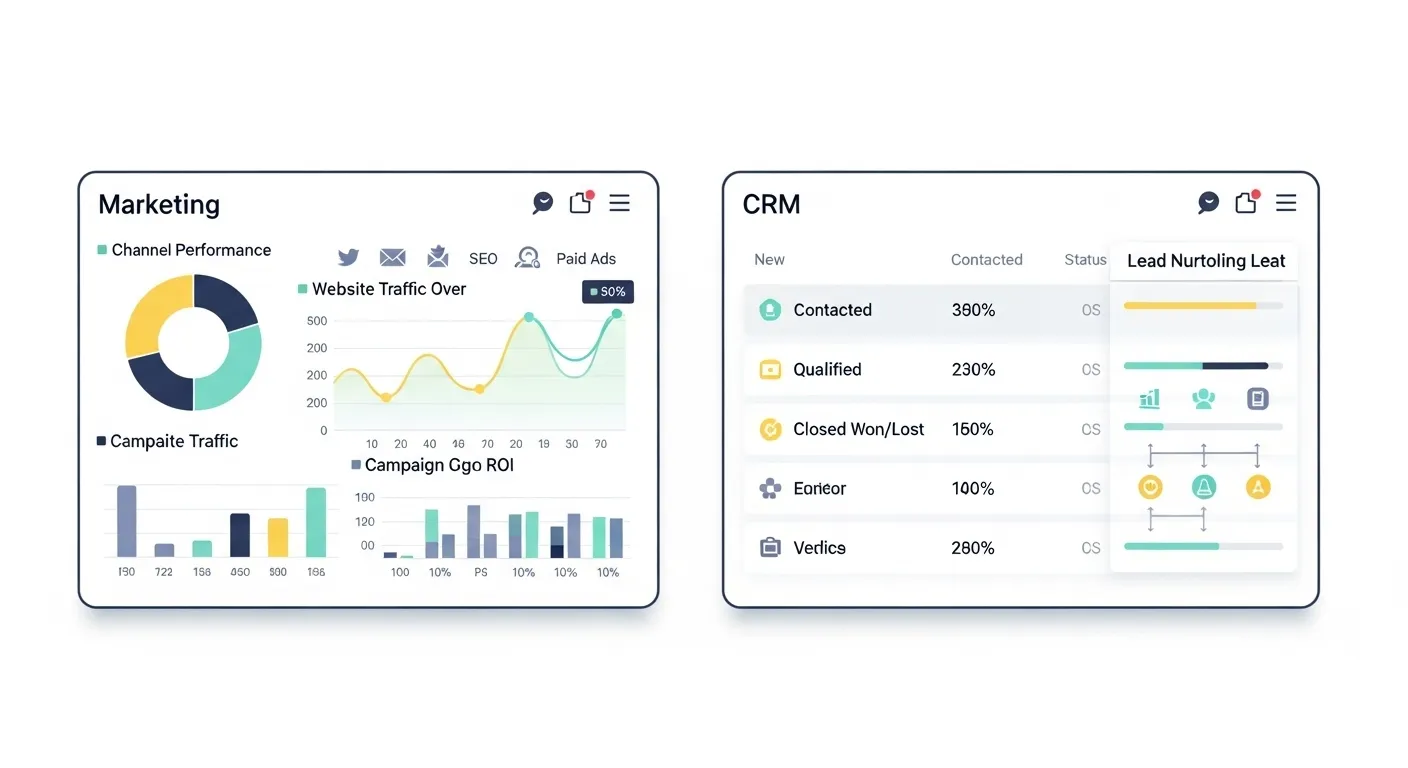
Improve Lead Management & Follow-Ups
Many institutes lose admissions because they fail to engage students after the first inquiry. A CRM system can solve this problem.
Use it to:
Track leads
Send personalized follow-up messages
Set reminders
Automate WhatsApp or email responses
Good follow-ups show that the institute values the student.
Create Student Enrollment Growth Strategies
Some effective methods include:
Free demo classes or workshops
Webinars on trending skills
Campus ambassador programs
Referral bonuses
School/college outreach programs
These strategies build trust and attract genuine students.
Strengthen Industry Partnerships & Collaborations
Partnerships add credibility and open new opportunities. They bridge the gap between education and real-world industry expectations.
Build Strong Corporate Partnerships
Companies can contribute value in multiple ways:
Internship agreements
Industry mentors for students
Guest lectures
Real-world projects
Placement support
These improve the overall academic experience and placements.
Collaborate with Startups & MSMEs
Many startups are open to collaboration because they appreciate young talent.
Institutes can provide:
Project-based assistance
Research support
Skill-based internships
This helps students gain hands-on experience and builds industry confidence.
Connect with EdTech Platforms
LMS tools, virtual labs, AI-based learning platforms, and online practice portals improve student learning and add a modern touch to education.
Participate in Events & Conferences
Events like:
Job fairs
Hackathons
Annual tech/career fests
Industry roundtables
…create visibility and open doors to new collaborations.
Improve Student Experience & Retention
A student who feels supported, guided, and valued becomes your institute’s ambassador.
Develop a Student-Centric Environment
Create support systems such as:
Academic mentors
Counsellors
Peer learning groups
Student clubs
Leadership programs
These efforts help students feel connected.
Career Readiness Training
Students want institutes that prepare them for real jobs. Offer:
Resume-building sessions
Mock interviews
Soft-skill training
Aptitude training
Portfolio development workshops
These increase placement outcomes and satisfaction.
Use Data to Track Student Success
Monitor:
Attendance
Participation
Course completion
Assessment performance
Early identification of learning gaps helps retain students and improve results.

Use Technology to Boost Business Development
Technology helps institutes become more efficient and reduce manual workload.
CRM Systems for Admissions
CRM platforms help manage inquiries, follow-ups, and communication in one place.
AI & Automation Tools
AI tools assist with:
Predicting admission trends
Automating email sequences
Chatbots for student queries
Lead scoring
Automation improves productivity.
Online Learning Platforms
A proper LMS helps deliver:
Recorded lectures
Online quizzes
Assignment submissions
Progress tracking
This enhances the learning experience.
Streamline Admission Processes
Digital forms, online payment systems, and automated verification make admissions smoother and faster.

Build a Strong Brand & Digital Identity
Branding is not just your logo or tagline. It’s the perception you create.
Branding Elements
Your institute should have:
Clear messaging
Consistent visuals
Defined USPs (placement record, faculty, projects, labs)
Structured communication
Social Proof
Showcase:
Student success stories
Testimonials
Alumni achievements
Industry recognitions
Placement highlights
Social proof builds trust quickly.
Content Marketing for Institutes
Blogs, guides, videos, and FAQs help students understand your expertise. They also help with SEO.
Establish Thought Leadership
Encourage faculty and students to:
Publish research
Write blogs
Participate in conferences
Collaborate with companies
Thought leadership improves credibility.
Create Sustainable Revenue & Growth Models
Institutes should explore additional revenue channels such as:
Short-term certification courses
Hybrid programs
Corporate training
Weekend skill bootcamps
Community workshops
These create more visibility and financial stability.
Step-by-Step Business Development Plan for Educational Institutes
Here’s a simple, practical blueprint institutes can follow:
Step 1: Define goals
Increase admissions, expand partnerships, or improve placements.
Step 2: Study the market
Understand student needs, competitors, and pricing.
Step 3: Position your institute clearly
Highlight your strongest points—faculty, infrastructure, placements, or skills.
Step 4: Strengthen digital presence
Website, SEO, social media, reviews, videos.
Step 5: Build partnerships
Start with local companies and grow step by step.
Step 6: Improve student experience
Focus on mentoring, career support, and soft skills.
Step 7: Set up a CRM and automate follow-ups
This saves time and increases conversions.
Step 8: Track performance regularly
Monitor leads, admissions, student satisfaction, and placement results.
Step 9: Keep updating your strategies
Education is changing fast. Keep your systems flexible.