Home » Career » How to Build a Personal Brand Online That Attracts Job Offers

How to Build a Personal Brand That Gets You Job Offers Without Applying

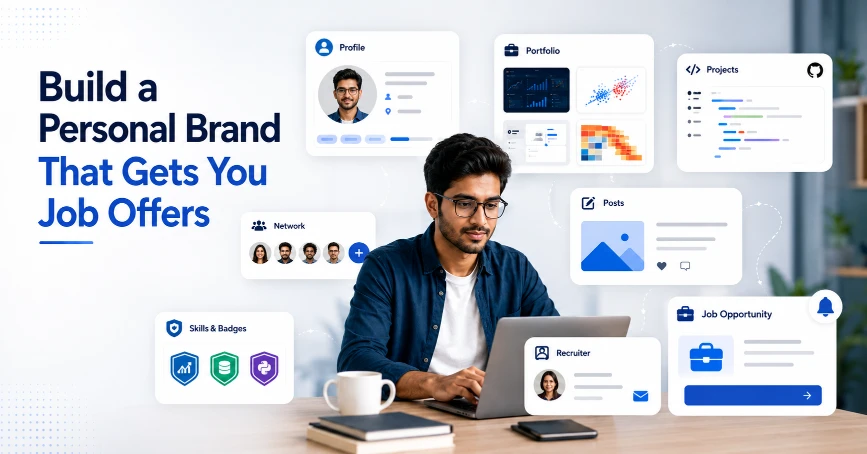
Young Indian professional building a personal brand online to attract recruiters and job opportunities

The best jobs never get posted. The best candidates never apply

There is a version of your job search that most people never discover — where recruiters message you, where opportunities arrive in your inbox, where someone forwards your name to a hiring manager before a role is even advertised publicly.

This is not luck. It is not about who your father knows or which college you attended. It is the direct result of one thing: a personal brand that works for you while you sleep.

Most job seekers spend their energy applying — searching job boards, tailoring resumes, writing cover letters, refreshing their email hoping for a response. That approach is exhausting, reactive, and becoming less effective every year as application volumes rise.

Professionals who have built a personal brand operate differently. Instead of chasing opportunities, opportunities find them. Instead of convincing strangers to consider them, they are already known and trusted by the people who matter before a single formal conversation begins.

Building that presence is not reserved for influencers or people with thousands of followers. It is available to any professional in any domain willing to show up consistently, share what they know, and build a reputation in public.

This blog shows you exactly how to do it — from scratch, step by step.

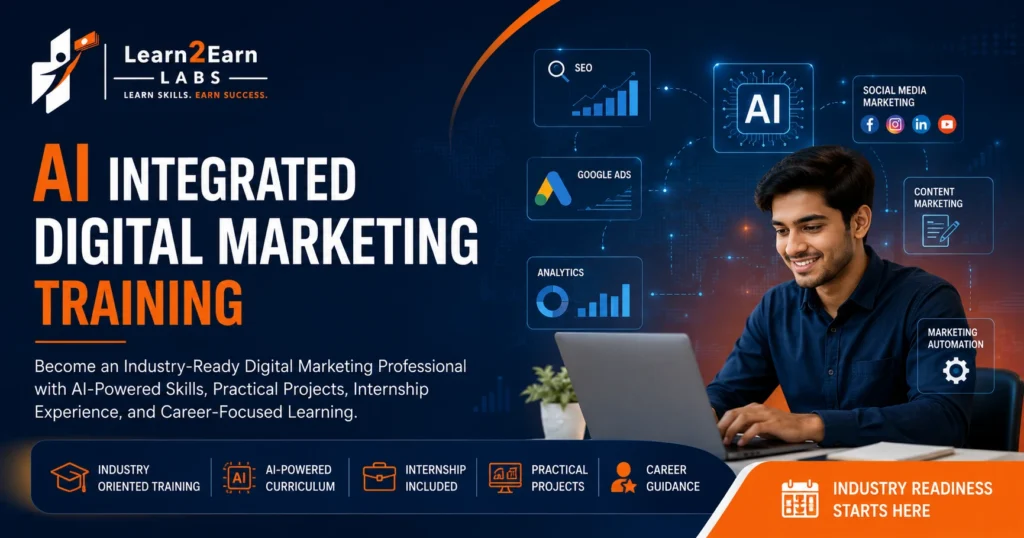
Learn2Earn Labs AI Integrated Digital Marketing Training banner featuring AI-powered marketing skills, SEO, Google Ads, social media marketing, analytics, automation, practical projects, internship experience, and career-focused learning.

AI Integrated Digital Marketing Training

Build practical skills in SEO, Google Ads, Social Media Marketing, Analytics, Content Marketing, and AI-powered workflows through projects, live classes, internship exposure, and industry-focused learning.

What personal branding actually means for a professional

Personal branding gets overused to the point where people stop taking it seriously. So let us be clear about what it actually means in a professional context.

Your personal brand is simply what people think of when they hear your name professionally. It is the answer to: “What does this person do, and why does it matter?”

Right now, whether you have worked on it or not, you already have one. If someone googles your name, something comes up — or nothing does. If a recruiter looks you up after seeing your resume, they either find a compelling picture of who you are or a blank profile from two years ago with no activity.

The question is not whether you have a personal brand. It is whether you are shaping it intentionally or leaving it to chance.

Building it intentionally means deciding what you want to be known for and showing up around that positioning consistently enough that the right people — hiring managers, recruiters, industry peers — begin to associate your name with real credibility.

Step 1: Get clear on what you want to be known for

The answer is simpler than most people make it: choose the intersection of what you are genuinely good at, what you are actively building skills in, and what the market needs. You do not need to be the world’s foremost expert. You need to be genuinely useful to a specific audience.

A final-year CS student building full stack projects can position themselves as someone sharing what they are learning — challenges solved, concepts that clicked, tools that helped. Honest, relatable, valuable to thousands of students in the same position.

A digital marketing trainee can document real campaign experiments — what worked, what did not, what the numbers showed. That specificity builds credibility faster than any generic “tips and tricks” post.

A data analyst learning Power BI can be the person who explains complex dashboards in plain language for non-technical business people.

None of these require fame. They require specificity, consistency, and genuine helpfulness to a defined audience.

Complete this sentence: “I help [specific audience] understand/do/achieve [specific outcome].” That is the foundation of your personal brand.

Step 2: Choose the right platform and own it completely

You do not need to be everywhere. You need to be consistently excellent somewhere.

For most professionals in technology, digital marketing, business development, and data — LinkedIn is the highest-return platform. It is where recruiters actively search and where professional credibility most directly translates into opportunity.

If you are in development or data science, GitHub is a parallel must-have. A well-maintained profile with real projects, clear README files, and consistent commit history is itself a personal brand — one that speaks directly to any technical recruiter.

If your domain is digital marketing or content creation, Instagram or YouTube complement LinkedIn well — demonstrating marketing ability through your own content is one of the most credible things you can do in that field.

Pick one primary platform and build it deeply before expanding. A LinkedIn profile with 80 thoughtful posts and genuine engagement is worth more than mediocre presence across five platforms.
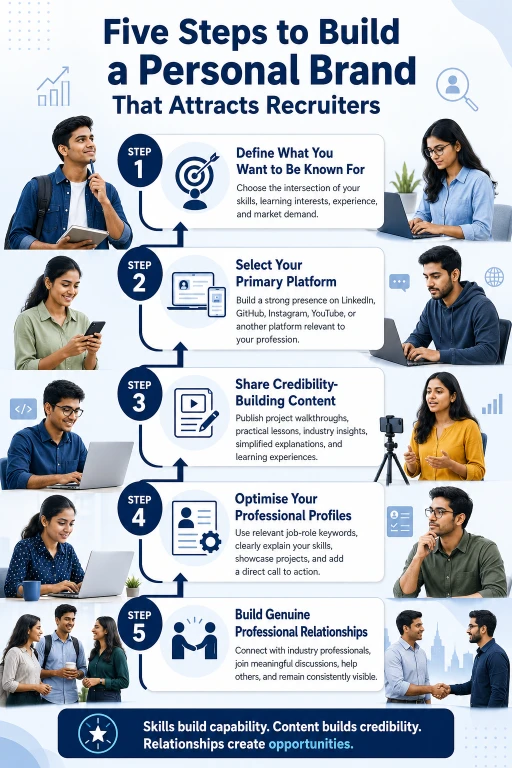
Five-step roadmap for building a personal brand that attracts recruiters and job opportunities

Step 3: Create content that builds credibility, not just visibility

This is where most personal brand advice goes wrong. It tells you to post more. The actual goal is to post better.

Content that builds professional credibility is specific, honest, and genuinely useful. It comes from real experience, real problems, and real learning. It does not need to be polished to the point of feeling corporate — in fact, the more authentic it is, the better it performs.

Project walkthroughs. A post or video walking through something you built — the problem, your approach, what went wrong, what you learned — demonstrates competence and personality simultaneously. It is one of the most effective content formats for technical and marketing professionals.

Lessons from real experience. “I spent three hours debugging this React error. Here is what I found.” Or: “I ran a Meta Ads campaign with ₹10,000. Here are the results and what I would change.” Specific, documented experience is what recruiters find genuinely compelling.

Simplified explanations of complex concepts. If you can explain something technical in plain language, you demonstrate both knowledge and communication ability — both of which matter enormously in almost every professional role.

Honest documentation of your learning journey. You do not need to be an expert. You need to be genuine. “Here is what I am learning and where I am still figuring things out” builds trust faster than expert-only content often does.

Post two to three times a week. Engage genuinely with others’ content — comment with real thoughts, not just “great post.” Career benefits come from the relationships that grow from genuine interaction, not just algorithmic reach.
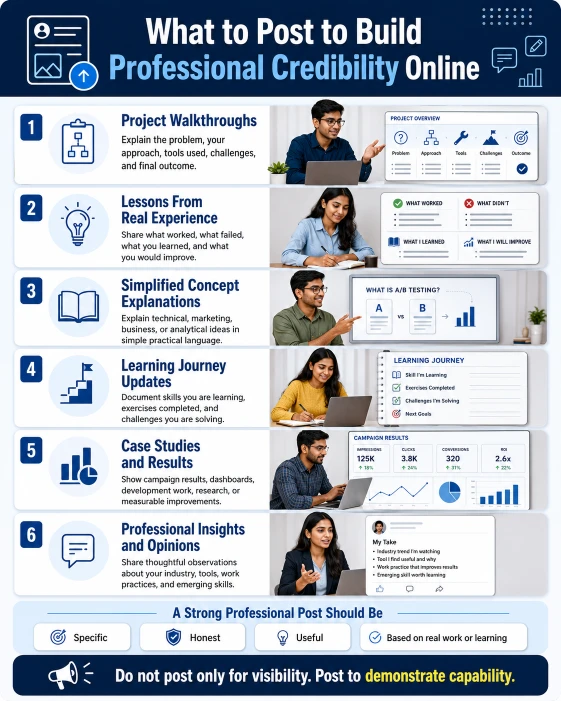
Types of professional content that help build credibility and attract recruiters online
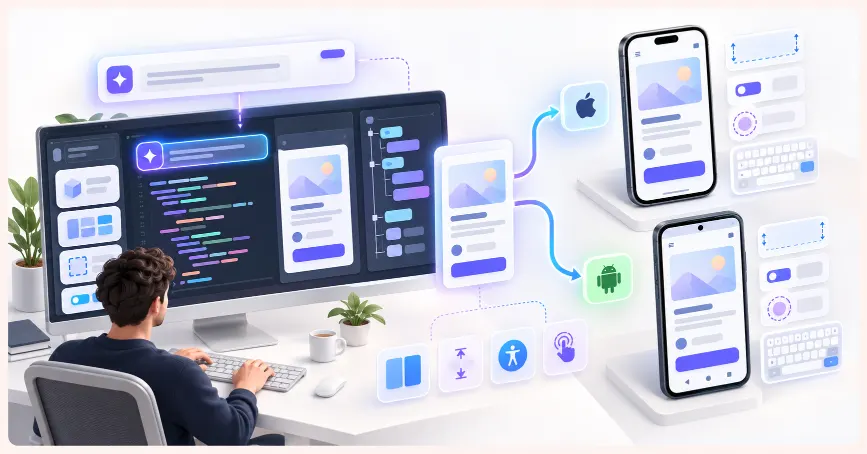
AI Integrated Full Stack Development training with React Node.js MongoDB and AI tools at Learn2Earn Labs

AI Integrated Full Stack Development Training

Master HTML, CSS, JavaScript, React, Node.js, Express.js, MongoDB, REST APIs, and AI-powered development workflows through live coding, practical projects, internship opportunities, and career-focused training.

Step 4: Optimise your profiles so the right people find you

Creating content is not enough if the people you want to reach cannot find you when they are looking.

On LinkedIn, your headline, About section, and skills tags are all searchable. Every element should reflect your target role, your specific skills, and your value — using the exact language recruiters use when they search.

“Student | Aspiring Developer” is invisible. “Full Stack Developer | React.js | Node.js | MongoDB | Open to Junior Developer Roles” surfaces when a recruiter searches “React developer fresher.”

Your About section should answer who you help, what you do, and what hiring you produces. End with a call to action: “Open to full stack developer opportunities — feel free to reach out.” Use the Featured section to pin your best project or portfolio link — prime real estate most profiles leave empty.

On GitHub, complete your profile README — who you are, what you build, what you are working on. Pin your best repositories. Write clear README files explaining what each project does, the tech used, and how to run it.

Step 5: Let relationships do what algorithms cannot

Content builds visibility. Relationships build opportunities.

Professionals who receive unsolicited job offers are rarely the ones with the most followers. They are the ones who have built genuine relationships — helped someone solve a problem, answered a question thoughtfully, connected someone to a resource, been consistently present and useful.

Connect with people whose work you respect — developers, marketers, data professionals, hiring managers at target companies. Send a connection request with a specific personal note, not the generic default. Engage with their content meaningfully. Occasionally share something genuinely useful.

These relationships do not produce immediate results. They produce compounding ones. Six months of consistent, genuine engagement builds a network that knows you, trusts you, and thinks of you when something relevant comes up.

That is exactly when the unsolicited opportunity arrives.

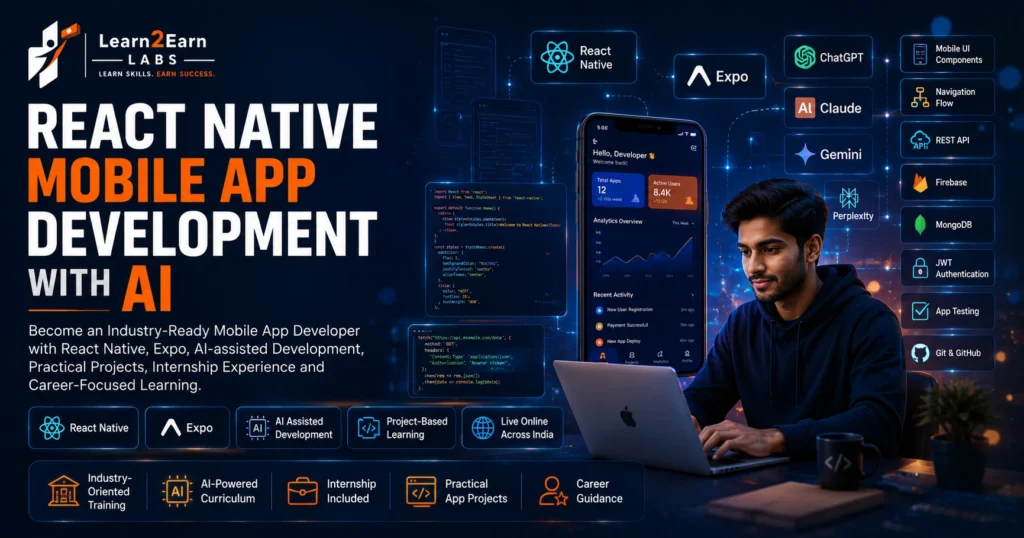
Student learning React Native mobile app development with AI, Expo, APIs, and practical projects at Learn2Earn Labs.

AI Integrated React Native Mobile App Development Training

Build a job-ready mobile app development profile through practical coding, industry-style projects, AI-assisted workflows, career preparation, mentor-guided learning, real-world app deployment, API integration, and hands-on portfolio development.

How Learn2Earn Labs helps you build your professional brand alongside real skills

A personal brand is only as strong as the substance behind it. A polished LinkedIn profile with no real skills is a house with beautiful wallpaper and no walls. The content attracts attention — but the moment a recruiter probes deeper, there is nothing to find.

At Learn2Earn Labs, personal brand building is taught alongside the skills and projects that give it substance.

Students across every program — Full Stack Web Development, React Native, Digital Marketing, Data Analytics, AI and Data Science, and Business Development — graduate with real projects documented with the specificity that makes personal brand content compelling. They receive guidance on presenting their learning journey online, optimising their LinkedIn and GitHub for discoverability, and building the professional network that turns visibility into real opportunity.

Career counsellors work with students individually on their online presence — not just interview preparation. The goal is a graduate who is visible, credible, and discoverable before sending a single application, so when they do apply, they are not a stranger to the recruiter.

With decades of experience shaping careers across technology, marketing, and business — and alumni placed at TCS, Accenture, Cognizant, Infosys, and Nagarro — Learn2Earn Labs understands that careers are built on reputation as much as skill. Both are built here.

Visit learntoearnlabs.com or write to team@learntoearnlabs.com

Conclusion

The most powerful career strategy available to any professional today is not a better resume or a more aggressive application process. It is a personal brand that makes the right people think of you — before a role is posted, before an application is sent, before a formal conversation ever begins.

That brand is built one post at a time, one project at a time, one genuine connection at a time. It takes months to build and decades to compound. And the best time to start was a year ago.

The second-best time is today.

Frequently Asked Questions

1. What is a personal brand in professional life?

A personal brand is the professional reputation people associate with your name. It reflects your skills, experience, values, projects, knowledge, communication style, and the type of work for which you want to be recognised.

2. Can freshers build a personal brand without work experience?

Yes. Freshers can build credibility by documenting their learning journey, explaining concepts, sharing practical projects, discussing problems they have solved, and presenting what they learned from training, internships, assignments, or independent practice.

3. Which platform is best for building a professional personal brand?

LinkedIn is one of the most useful platforms for professionals because recruiters, hiring managers, industry experts, and companies actively use it. Developers and data professionals should also maintain GitHub profiles, while digital marketers and content creators may use Instagram or YouTube as supporting platforms.

4. How often should I post on LinkedIn to build my personal brand?

Posting two or three useful and well-prepared posts each week can be more effective than posting frequently without providing value. Consistency, relevance, practical experience, and genuine interaction are more important than posting every day.

5. Can a personal brand help me get job offers without applying?

A strong personal brand can increase the chances of recruiters, hiring managers, clients, or industry professionals discovering and contacting you. However, it does not guarantee job offers. Your online visibility must be supported by genuine skills, practical projects, clear communication, and a credible professional profile.