Home » Programming » AI Skills Hiring Managers Are Looking for Right Now (2026 Edition)

AI Skills Hiring Managers Are Looking for Right Now (2026 Edition)

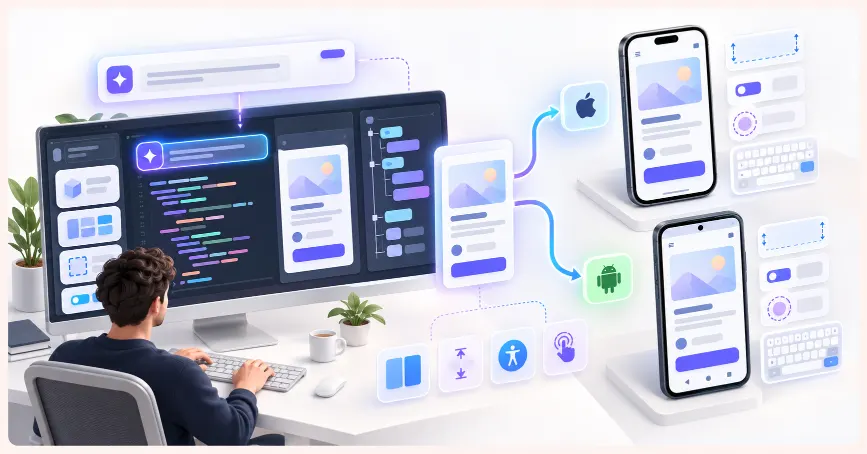
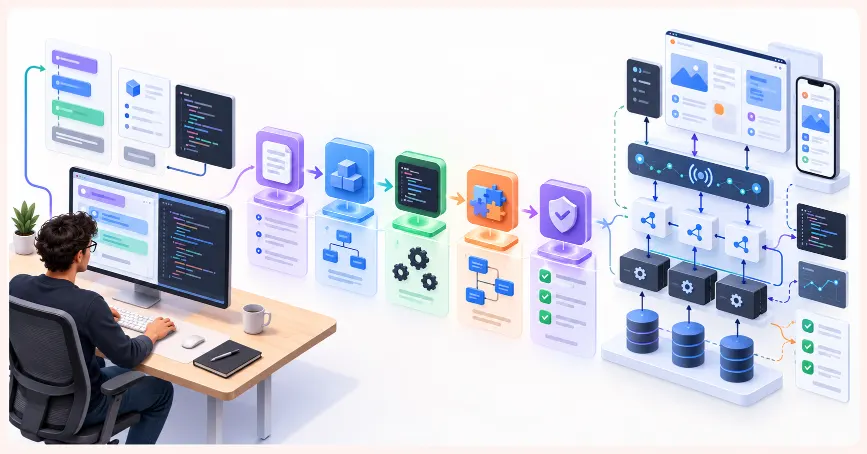
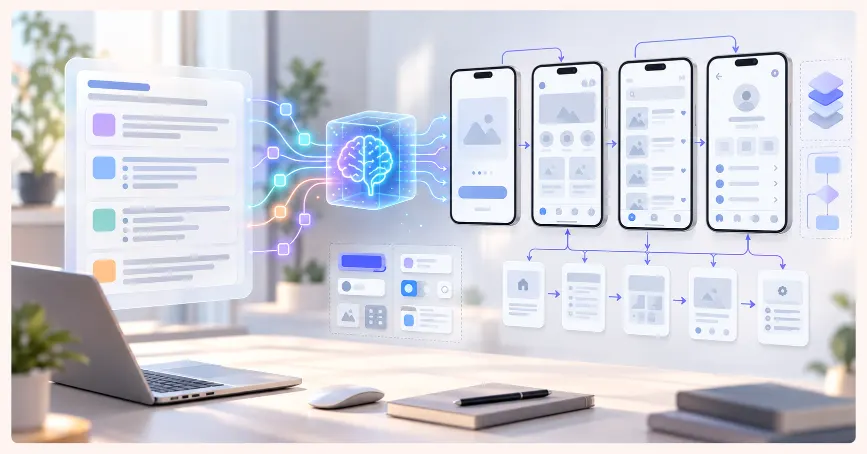
A college student learning AI programming skills that hiring managers look for in 2026

The job market has changed. Here’s exactly what you need to keep up.

Introduction

If you are a college student studying programming, computer science, or any tech-related field, you have probably heard the same advice a hundred times: learn coding, build projects, get an internship.

But here is what nobody is telling you clearly enough — hiring managers in 2026 are not just looking for people who can code. They are looking for people who can code with AI.

The shift happened fast. In the last two years, artificial intelligence went from being a specialised domain to being a baseline expectation in most tech roles. Whether you are applying for a software developer role, a data analyst position, or a product management internship — AI fluency is now part of the job description.

This guide breaks down the exact AI skills hiring managers are prioritising right now, and what you — as a student — can start doing today to build them.

The best time to learn AI was two years ago. The second best time is right now

Why AI Skills Matter More Than Ever in 2026

The numbers make it hard to ignore. According to industry research, over 70% of tech companies now list AI-related skills in their job postings — even for roles that were not traditionally AI-focused. Companies are not just hiring AI researchers anymore. They want developers, analysts, marketers, and managers who can work alongside AI tools effectively.

For students, this is both a challenge and a massive opportunity. Most of your competition is still learning the basics. If you build even a working knowledge of the skills below, you will already be ahead of the majority of fresh graduates entering the job market.

You don’t need to be an AI expert to get hired. You just need to know more than the person next to you

Top AI Skills Hiring Managers Want in 2026

1. Python Programming (with AI Libraries)

Python is the language of AI. Whether you are working with machine learning, data analysis, or building AI-powered applications, Python is the foundation. But knowing basic Python is not enough anymore — hiring managers want to see that you can use libraries like NumPy, Pandas, Scikit-learn, and TensorFlow.

What to do: Complete at least one end-to-end Python project that uses a real dataset and a machine learning model. Upload it to GitHub.

2. Prompt Engineering

This is the skill that surprised most people — and it is now one of the most in-demand capabilities in the industry. Prompt engineering is the ability to write effective instructions for AI tools like ChatGPT, Claude, or Gemini to get accurate, useful, and consistent outputs.

What to do: Practise writing structured prompts for different use cases — summarisation, code generation, content writing, and data extraction. Document your prompt templates.

3. Machine Learning Fundamentals

You do not need to build ML models from scratch in most jobs — but you do need to understand how they work. Hiring managers want candidates who can interpret model outputs, understand training and testing concepts, and have a working knowledge of supervised vs. unsupervised learning.

What to do: Take a free course on Coursera or Google’s ML Crash Course. Focus on understanding concepts, not just memorising formulas.

4. Working with AI APIs

Companies are building AI-powered products at a rapid pace. Being able to integrate AI APIs — such as the OpenAI API, Google Gemini API, or Hugging Face models — into applications is a highly valued and practical skill that most students overlook.

What to do: Build a small project — a chatbot, a document summariser, or an image classifier — using an AI API. Even a simple working project shows far more than a certificate.

5. Data Literacy and Visualisation

AI runs on data. Hiring managers want candidates who understand how to collect, clean, analyse, and present data meaningfully. Tools like Excel, SQL, Tableau, and Python’s Matplotlib or Seaborn are all relevant here.

What to do: Pick one dataset from Kaggle, perform a full analysis, and create at least five meaningful visualisations. Write a short report explaining your findings.

6. AI-Assisted Coding (GitHub Copilot, Cursor)

AI coding tools are now standard in developer workflows. Companies expect new hires to know how to use these tools to write cleaner code faster — not to replace their thinking, but to accelerate it. Candidates who resist these tools are already at a disadvantage.

What to do: Use GitHub Copilot or Cursor for your next project. Practice reviewing and correcting AI-generated code — that critical thinking skill is what employers value most.

7. Natural Language Processing (NLP) Basics

From customer service chatbots to document classification systems, NLP is everywhere. Understanding how language models process and generate text — tokenisation, embeddings, sentiment analysis — gives you an edge in product, development, and data roles alike.

What to do: Build a basic sentiment analyser or text classifier using Hugging Face transformers. Walk through the process in a blog post or LinkedIn article.

8. AI Ethics and Responsible AI

This one surprises students — but it should not. In 2026, hiring managers are increasingly asking about AI ethics in interviews. Companies are under regulatory and public pressure to build AI responsibly. Candidates who understand bias in models, data privacy, and responsible AI principles stand out significantly.

What to do: Read Google’s Responsible AI Practices and Microsoft’s AI principles. Be prepared to discuss them in interviews.

Every skill you build today is a salary negotiation you won’t have to have tomorrow

How to Build These Skills as a Student

  • Start with Python if you have not already — 30 minutes a day for 60 days is enough for a solid foundation.
  • Pick one real project and use it to practice multiple skills — data, ML, API integration, and visualisation.
  • Document everything on GitHub and LinkedIn — recruiters search for portfolios, not just resumes.
  • Follow AI news through newsletters like The Rundown AI or Superhuman AI to stay current.
  • Join student communities and hackathons where AI projects are welcomed — these give you real experience and contacts.

Want personalised mentorship?

Reach out to Learn2Earn Labs today.

Not Sure Where to Start?

The skills above can feel overwhelming when you are staring at a full academic timetable. That is exactly where a mentor makes the difference — someone who has walked the path, knows what actually matters, and can help you cut through the noise.

At Learn2Earn Labs, we work with college and university students to build real, job-ready AI and programming skills through personalised mentorship — not generic courses.

Not Sure Where to Start?

The skills above can feel overwhelming when you are staring at a full academic timetable. That is exactly where a mentor makes the difference — someone who has walked the path, knows what actually matters, and can help you cut through the noise.

At Learn2Earn Labs, we work with college and university students to build real, job-ready AI and programming skills through personalised mentorship — not generic courses.

FAQ — People Also Ask

1. What AI skills do hiring managers look for in 2026?

The most in-demand skills include Python with AI libraries, prompt engineering, machine learning fundamentals, working with AI APIs, data literacy, AI-assisted coding tools, NLP basics, and a foundational understanding of AI ethics.

How can college students learn AI skills for jobs?

Start with free resources like Google’s ML Crash Course and Hugging Face tutorials. Build small real-world projects and document them on GitHub. Joining hackathons and student communities also accelerates learning significantly.

Is AI knowledge necessary for programming jobs?

In 2026, yes — for most tech roles. Even if your job is not directly AI-focused, employers expect candidates to understand AI tools and integrate them into their workflows. AI literacy is fast becoming a baseline expectation, not a bonus.

What are the best AI tools students should know before graduation?

Key tools include Python (with Scikit-learn, TensorFlow, Pandas), the OpenAI or Gemini API, GitHub Copilot for coding, Hugging Face for NLP, and Tableau or Matplotlib for data visualisation.